
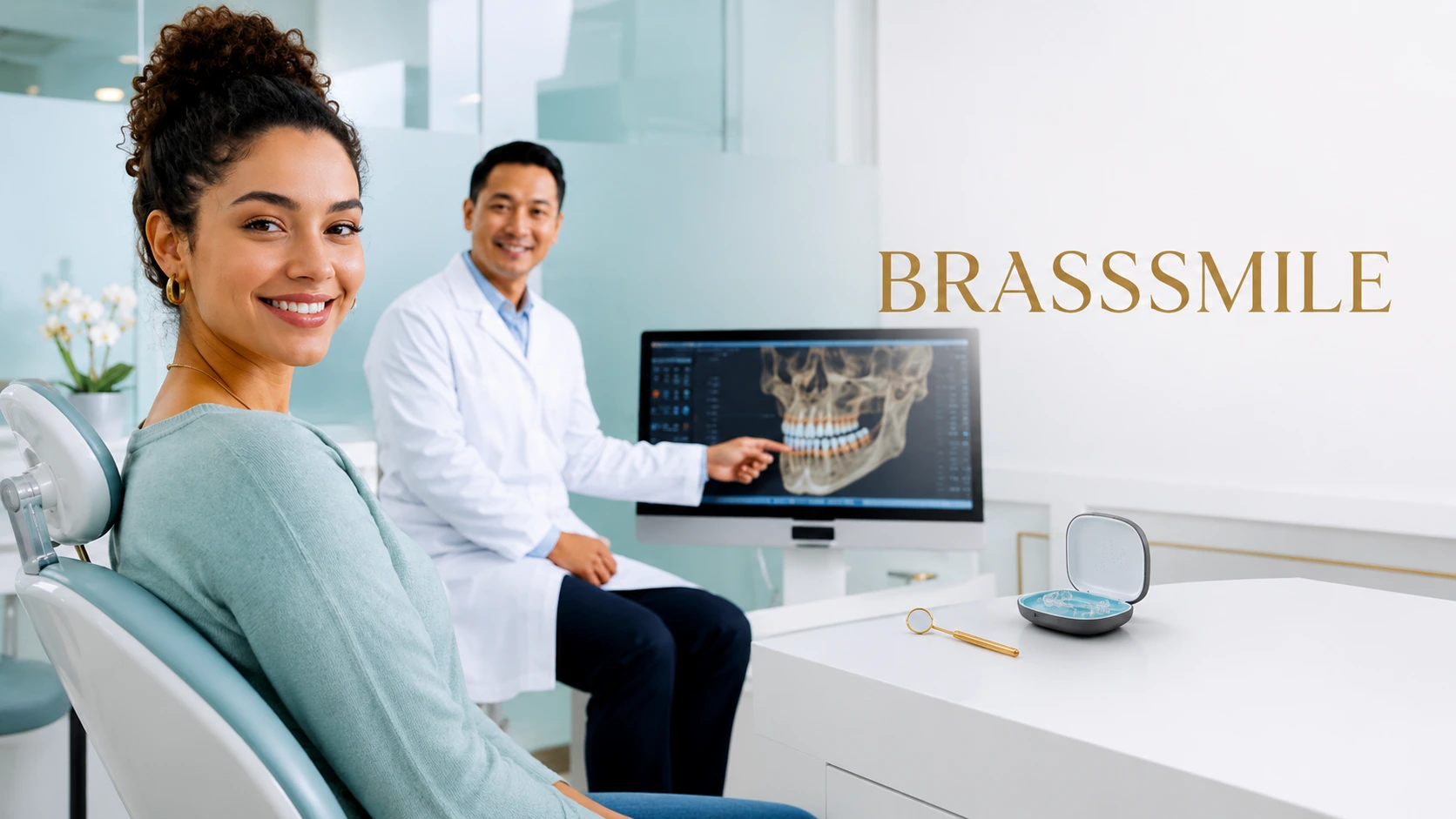
If you’ve come across the term BrassSmile while researching smile improvement online, you’re probably wondering exactly what it refers to. The short answer is that it isn’t a single, official dental procedure. Instead, it’s a broader concept that covers everything from daily oral hygiene habits to professional cosmetic treatments like whitening, veneers, and aligners.
Because the term shows up on different platforms and in different contexts, its exact meaning can shift depending on where you encounter it. That said, the core idea stays fairly consistent: combining preventive dental care with cosmetic options to build a smile that’s both healthy and attractive.
Before getting into any treatment discussed under this label, it’s worth remembering one thing. A licensed dentist should always guide your decisions, not an ad or an online article, including this one.
What Does BrassSmile Actually Mean?
At its core, the BrassSmile concept is built on a simple principle: a great smile comes from combining good daily habits with the right professional care, not from one single fix.
That means brushing twice a day with fluoride toothpaste, flossing regularly, cutting back on sugary foods, and keeping up with routine dental checkups. These basics create the foundation. From there, cosmetic treatments step in to handle issues that regular cleaning simply can’t fix on its own, think stubborn stains, gaps, or misaligned teeth.
However, it’s important to note that a responsible approach doesn’t only chase whiter, straighter teeth. Gum health, bite alignment, enamel strength, and long-term sensitivity all matter just as much as appearance.
Why the Balance Between Health and Appearance Matters
Here’s something a lot of people overlook: cosmetic improvement should never come at the cost of actual dental health. For instance, whitening treatments can be uncomfortable, sometimes even harmful, if there are untreated cavities or gum issues underneath. Similarly, veneers might look great, but they often involve removing a layer of natural enamel, which is a permanent change.
This is exactly why BrassSmile works best when it’s treated as a wellness concept rather than a guaranteed one-time solution. Every mouth is different, and what works well for one person might not be the right call for another.
Common Treatments You’ll See Under This Term
Several different treatments tend to get grouped under the BrassSmile umbrella, though each one serves its own specific purpose.
No single option here works for everyone. A dentist needs to evaluate your enamel, gums, tooth roots, and bite before recommending anything specific. On top of that, it helps to know whether a treatment is preventive, restorative, orthodontic, or purely cosmetic, since that distinction affects cost, timeline, and what kind of results you can realistically expect.
What Are the Real Benefits?
When approached properly, a BrassSmile-style routine can offer benefits that go beyond just looks.
On the practical side, better brushing habits and regular checkups reduce plaque buildup and catch problems early, things like cavities, gum inflammation, or bite issues, before they turn into something more serious. Cosmetic treatments, meanwhile, can address visible concerns such as staining or uneven edges when they’re done safely and appropriately.
There’s an emotional side to this too. Many people feel noticeably more confident speaking, smiling, or being photographed once a concern that’s bothered them gets resolved. Even orthodontic work, beyond straightening teeth, can make certain areas easier to clean and maintain long-term.
That said, the real value comes from getting a plan tailored to you, not copying whatever look you saw online. A natural result that fits your face and dental condition will almost always beat chasing an artificial, overly perfect appearance.
Risks You Should Know About
No dental treatment is completely risk-free, and cosmetic procedures are no exception.
Whitening products, for example, can cause temporary sensitivity or gum irritation, especially if they’re overused. Bonding may chip or stain over time and eventually need repair. Veneers and crowns tend to be expensive and often involve permanent alterations to your natural teeth. Braces and aligners, meanwhile, require consistent cleaning and follow-through, since skipping retainer wear afterward can let teeth shift right back.
There’s also a bigger-picture risk worth mentioning: products purchased without a proper dental exam can end up damaging gums or delaying treatment for problems that actually needed attention. If something promises guaranteed results at an unusually low price, that’s generally a red flag worth taking seriously.
How Much Does BrassSmile Treatment Cost?
There’s no fixed price tag here, mainly because the term spans so many different services. A basic cleaning and exam will cost far less than something like a full smile makeover, veneers, or orthodontic treatment.
Costs also shift depending on your location, the dentist’s experience, the materials used, and how complex your case is. Whitening might only need one visit, while aligners often involve months of adjustments and monitoring. Veneers, since they’re usually priced per tooth, can add up quickly if multiple teeth are involved.
Before committing to anything, ask for a written treatment plan. It should outline the full cost, number of visits, aftercare instructions, and any future replacement costs you might face down the line. Also worth checking: dental insurance often covers treatments needed for oral health, but it typically excludes anything done purely for appearance.
Building a Healthier Smile the Natural Way
Not every improvement requires a procedure. A solid daily routine goes a long way on its own.
Brush gently for two minutes, twice daily, using fluoride toothpaste, and don’t skip flossing or interdental cleaning. Swap out your toothbrush regularly, and avoid brushing too aggressively, since that can wear down enamel and contribute to gum recession over time.
Cutting back on sugary snacks and drinks helps too, since frequent sugar exposure gives harmful bacteria more chances to produce acid. Water remains the safest go-to drink, while tobacco use tends to stain teeth and raise the risk of more serious oral health issues.
One more thing worth avoiding: aggressive home remedies like acidic rinses or unregulated bleaching products. These can do more harm than good, damaging enamel or irritating soft tissue instead of helping.
Choosing the Right Dentist
Before starting any treatment tied to the BrassSmile concept, take the time to find a properly licensed dental professional and schedule a full exam. Be upfront about what you’re hoping to change and what kind of result feels realistic to you.
A trustworthy dentist won’t just push treatment; they’ll walk you through your options, including the choice to hold off on cosmetic work altogether if it’s not necessary. It’s worth asking about risks, recovery time, maintenance, total cost, and how long results typically last. For anything irreversible, getting a second opinion isn’t a bad idea either.
Frequently Asked Questions
1. Is BrassSmile an official dental treatment?
No. It’s not a standardized procedure, more of a general concept or term covering various smile-improvement methods.
2. Can BrassSmile treatments whiten every type of stain?
Not necessarily. Whitening tends to work well on natural tooth stains, but crowns, fillings, and veneers usually won’t change color with bleaching products.
3. Are natural whitening remedies safe?
Not always. Many home remedies are acidic or abrasive and can damage enamel or gums, so it’s best to check with a dentist first.
4. How long do cosmetic results typically last?
It depends on the procedure. Whitening tends to fade over time, while bonding, veneers, and crowns can last longer but may eventually need repair.
5. Who should hold off on cosmetic treatment?
Anyone dealing with active cavities, gum disease, or untreated dental issues should generally address those first before considering cosmetic work.
Final Thoughts
BrassSmile isn’t a single fix, it’s a broader approach that blends daily habits, professional care, and select cosmetic treatments based on individual needs. The right plan depends entirely on your specific situation, so working closely with a licensed dentist matters more than following trends you’ve seen online. At the end of the day, a healthy, natural-looking smile will always outlast one built around unrealistic perfection.
For more helpful guides and everyday tips, check out mygamerankgamesguides.com.
Leave a Reply