Handheld retro gaming sticks have become a favorite among players who want quick access to classic games without dragging out an old console or setting up an emulator on a full PC. The LCFGamestick is one of the more popular options in this space, and like most compact gaming hardware, it responds well to a few smart upgrades. Whether the goal is smoother performance, more storage, or simply a better overall experience, understanding what upgrades lcfgamestick actually involves can make a real difference in day-to-day use.
This guide walks through the main upgrade paths available, what each one actually changes, and how to decide which upgrades are worth your time.
Why People Look Into Upgrading Their LCFGamestick
Out of the box, most gaming sticks are built to handle a reasonable library of games at a reasonable price point — but “reasonable” isn’t always “ideal.” Over time, players tend to run into a few common frustrations: storage filling up faster than expected, occasional slowdown during more demanding titles, or a stock interface that feels clunky compared to what’s possible.
Upgrades lcfgamestick exists as a response to exactly these pain points. Rather than replacing the device entirely, targeted upgrades let players stretch its capabilities considerably further than the factory setup allows.
Hardware Upgrades Worth Considering
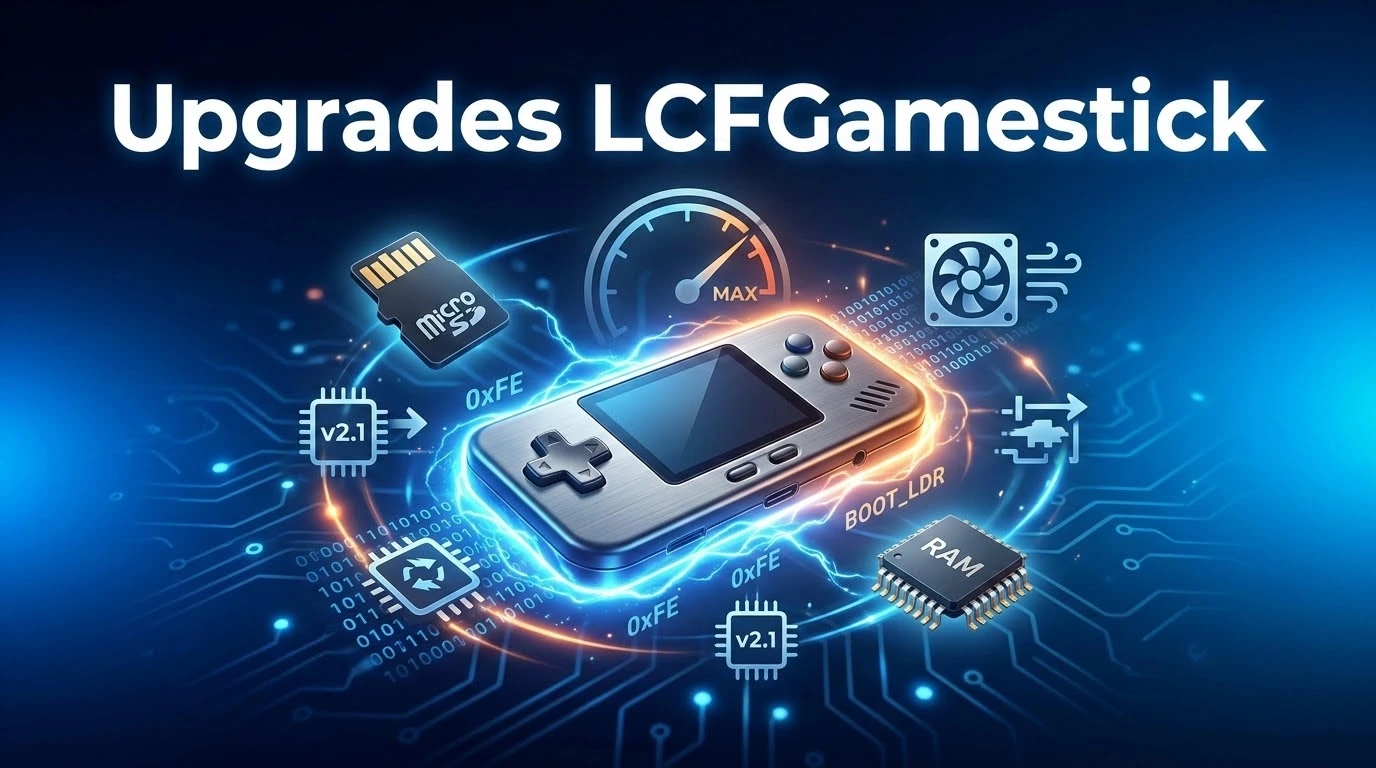
Expanding Storage This is usually the first upgrade most people reach for. Game libraries grow quickly, especially once you start adding larger titles, and running out of space mid-library is a common complaint. Swapping in a higher-capacity microSD card, or adding external storage where supported, solves this cleanly — no need to keep deleting old games to make room for new ones.
Increasing RAM (Where Supported) Not every version of the device allows for RAM upgrades, but on models that do, more memory generally translates into fewer slowdowns, especially when running more demanding emulation cores or multitasking between menus and games.
Improving Cooling Compact devices tend to run warm during extended play sessions, and heat build-up can lead to throttled performance over time. Small additions — a heatsink, better airflow through the case, or simply avoiding prolonged sessions in direct sunlight — can help keep performance consistent.
Software and Firmware Upgrades
Custom Firmware (CFW) For players who want to push the device further than the stock software allows, custom firmware is usually the next step. CFW can unlock a faster, more responsive interface, better organization of game libraries, and support for a wider range of emulators than what ships by default.
Interface and Menu Improvements Stock menus on budget gaming sticks are often functional but not particularly fast or intuitive. Firmware upgrades frequently address this directly, trimming down load times between menus and making navigation feel noticeably snappier.
Emulator and Core Updates Emulation quality depends heavily on which emulator cores are running behind the scenes. Keeping these updated — or swapping in better-performing alternatives — can noticeably reduce graphical glitches, audio desync, and frame drops in specific games.
Performance Improvements Players Typically Notice
Once upgrades are in place, the difference tends to show up in a few consistent ways:
- Faster loading times between menus and games
- Smoother frame rates, especially in emulated titles that previously struggled
- More accurate audio and visuals, closer to how the original hardware performed
- Better multitasking, with less lag when switching between saved states or games
None of these changes happen instantly with every upgrade — results depend on which specific upgrades are made and how demanding the games being played actually are.
Choosing the Right Upgrades for Your Needs
Not every player needs every upgrade available. It helps to think about upgrades in tiers, based on how much time and technical comfort you’re willing to invest.
Light Upgrades Simple tweaks like adjusting display settings or expanding storage. These take minutes and require no real technical background.
Moderate Upgrades Installing custom firmware or updating emulator cores. This requires a bit more research and comfort following instructions, but delivers a noticeably better experience.
Deep Upgrades Hardware-level changes like RAM upgrades or cooling modifications. These usually require more technical confidence and, in some cases, opening up the device itself.
Starting with light upgrades and moving up as needed is generally the safest approach — it lets you gauge how much of a difference each step actually makes before committing to more involved changes.
A Few Practical Tips Before You Start
- Back up your data before making any firmware changes, in case something needs to be reverted
- Research compatibility for your specific model before buying storage or hardware add-ons, since not all versions support the same upgrades
- Make one change at a time so it’s easier to tell which upgrade actually caused a noticeable improvement
- Check community forums or guides specific to your device version, since firmware options can vary between hardware revisions
Final Thoughts
Getting more out of an LCFGamestick doesn’t necessarily mean buying a new device — in most cases, the existing hardware has more potential than the stock setup shows. Whether it’s something as simple as adding storage or as involved as flashing custom firmware, upgrades lcfgamestick options give players a practical way to close the gap between the out-of-the-box experience and a genuinely smooth, enjoyable one.
Starting small, testing as you go, and only pushing into deeper upgrades once you’re comfortable is usually the most reliable path to getting real, lasting improvements out of the device.
Read More: MyGamerank Games Guides
Leave a Reply